Capital Allocation for Digital Transformation
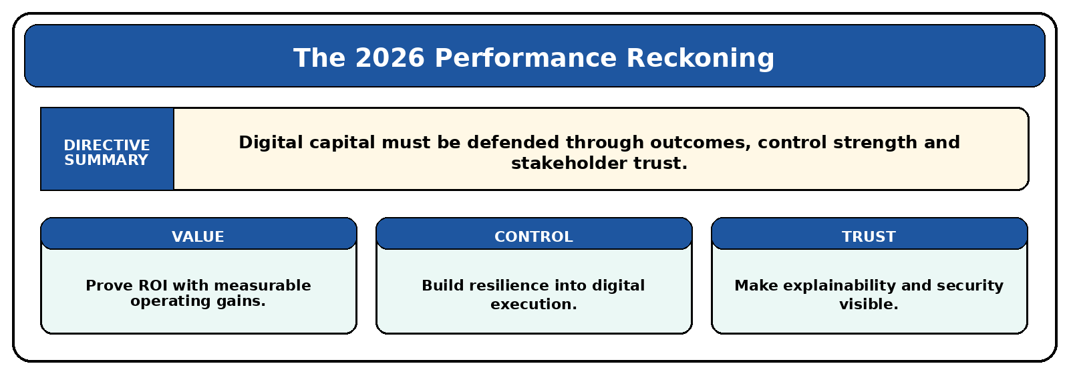
Directive summary: digital capital must now prove value, control and trust.
Digital transformation has entered a more demanding stage. The discussion has moved beyond pilots, innovation labs and broad claims about artificial intelligence. In 2026, leadership teams are being asked a sharper question: what measurable value has digital transformation created, and how safely can that value be scaled? This question is now central to boardrooms because AI and automation are no longer support tools. They are increasingly embedded in decision-making, customer journeys, controls, resource planning and execution management.
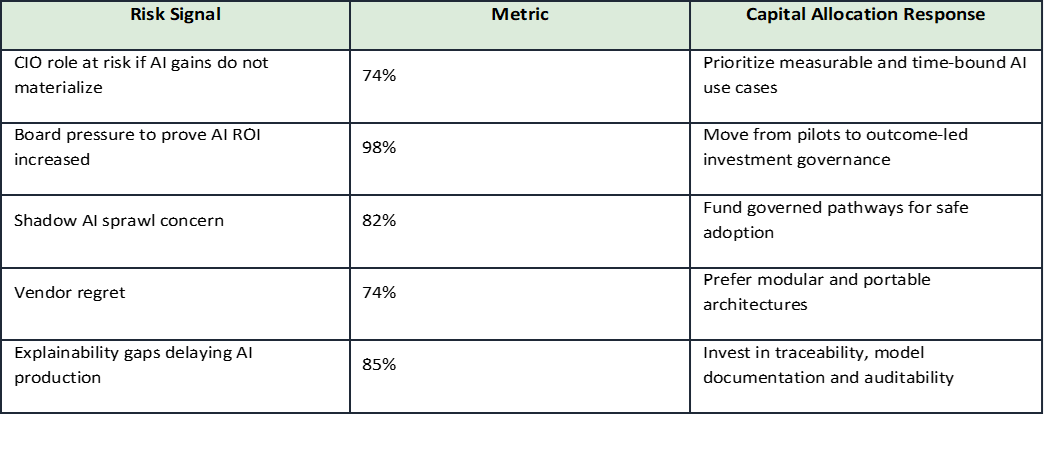
The result is a performance reckoning. CIOs, CFOs, CEOs and boards are being judged not by the number of tools deployed, but by the business outcomes those tools produce. Research indicators such as 74 percent of CIOs believing their roles could be at risk if measurable AI gains are not delivered, and 98 percent reporting increased pressure to prove AI ROI since 2024, reflect the intensity of this shift. The message for enterprise leaders is direct: capital allocation for digital transformation must be disciplined, measurable and defensible.
This discipline cannot be limited to financial return alone. Automation that creates savings but weakens compliance is not a strategic success. Compliance that slows transformation without improving decision quality is not enough either. Customer trust, privacy, explainability and cybersecurity must also be treated as part of the economic equation because digital confidence now affects loyalty, reputation and enterprise value. In my view, the real digital transformation question is therefore not whether to invest in AI and automation, but how to allocate capital across automation ROI, compliance resilience and customer trust in a balanced and accountable manner.
That balance is the foundation of this article. It argues that the best-performing organizations will not be those that spend the most on technology, but those that build an operating model where digital investments prove value, governance enables sustainable speed and trust is designed into the system from the beginning.
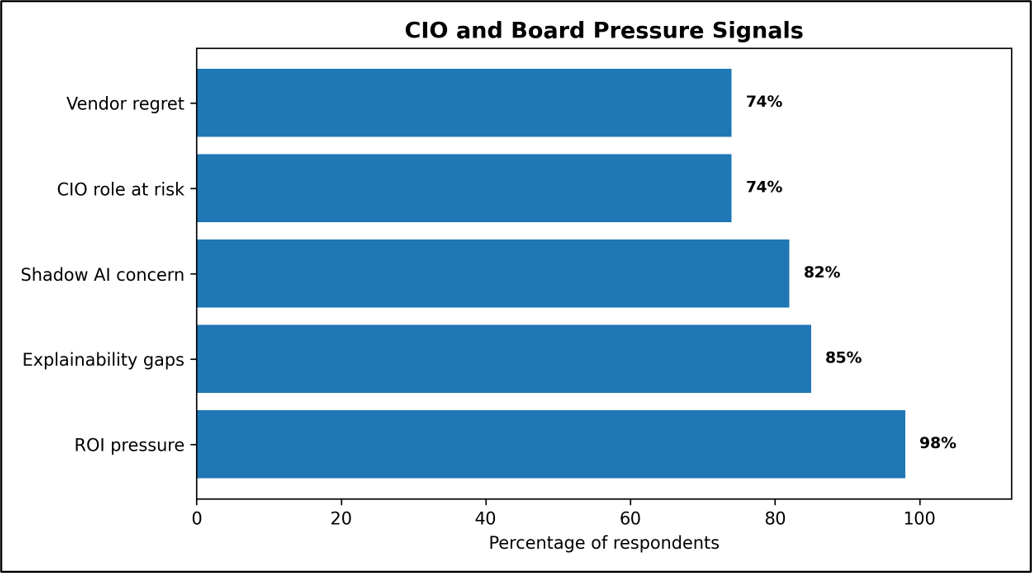
Graph 1: selected CIO and board pressure signals shaping digital capital allocation.
I. The ROI Mandate: Directing Capital toward Measurable Value
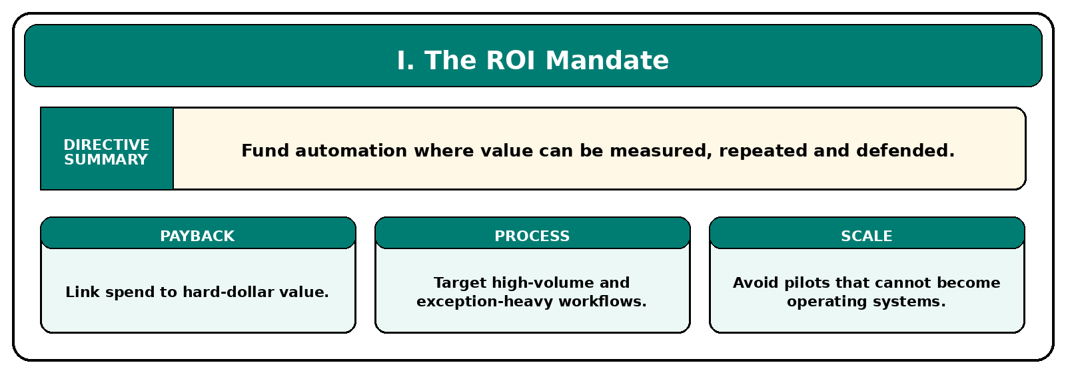
Directive summary: capital should be allocated only where automation value can be measured and defended.
The first discipline in digital capital allocation is ROI clarity. Boards no longer accept the idea that digital transformation will eventually create value. They expect the value case to be clear before capital is committed and visible after implementation. This is why ROI proof has become a central requirement in AI and automation programs. A strong investment case must explain the process problem, the cost of current inefficiency, the improvement expected, the time required to recover investment and the controls that will prevent value leakage.
Historically, automation ROI was often reduced to labor saving. That approach is too narrow for today’s enterprise context. Modern automation can improve cost, cycle time, cash flow, accuracy, compliance evidence, customer response and scalability. A workflow that reduces manual effort but leaves exception handling unresolved may produce only partial value. Conversely, an AI-enabled process that reduces exception queues, improves decision speed and strengthens audit trails can generate value across multiple dimensions.
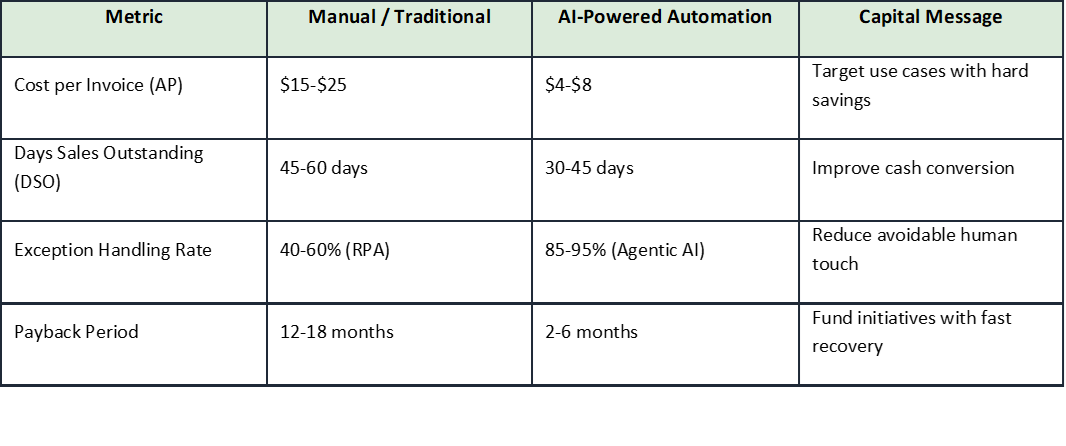
This difference is especially visible in agentic automation. Traditional RPA normally follows rules. It performs repetitive tasks effectively when the process is stable. Agentic AI, when properly governed, can deal with exceptions, interpret context and support more complex decisions. That is why some AI-powered workflows show faster payback periods and higher exception-handling capability. The value is not only in replacing manual work; it is in changing the economics of the process.
For example, in finance operations, invoice-processing cost can fall significantly when automation is applied intelligently. But the more strategic gain is not only lower transaction cost. It also includes improved payment discipline, reduced disputes, better vendor confidence and stronger working-capital control. Similarly, lowering days sales outstanding improves liquidity and gives the CFO a direct financial reason to support the transformation. These are the types of outcomes that move digital investment from technology preference to capital discipline.
The leadership challenge is to prioritize use cases. Not every digital idea deserves capital. The best candidates are high-volume, high-friction, high-exception processes where the baseline is measurable and the improvement can be tracked after implementation. This is where process mining, value mapping and governance dashboards become important. They help leadership move from broad ambition to specific, accountable investment.
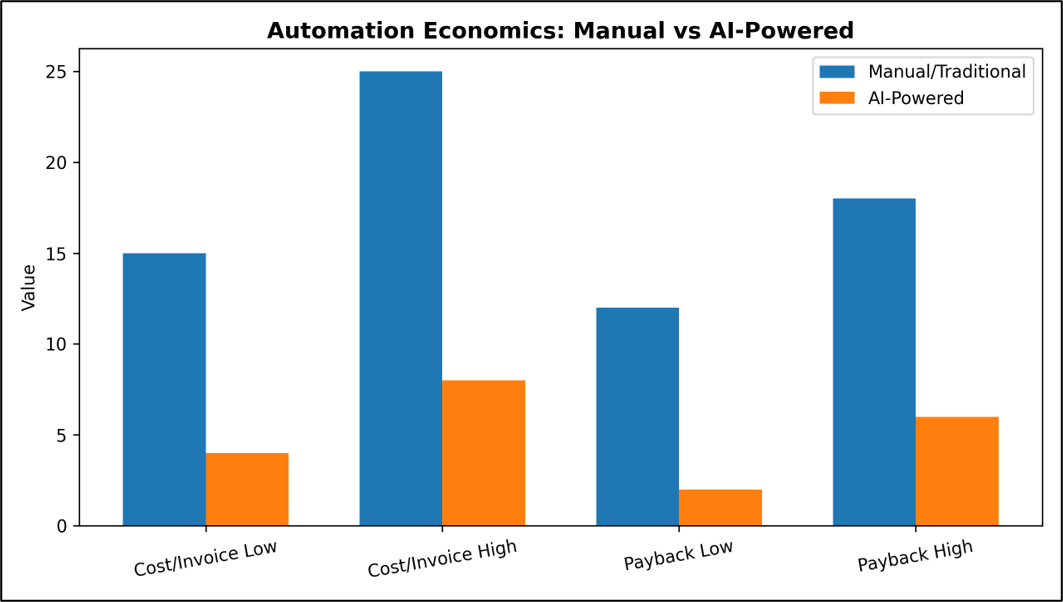
Graph 2: automation economics show why high-friction transactional processes are attractive ROI candidates.
Table 1: Automation ROI Benchmarks and Capital Allocation Message
II. Compliance Resilience: Reinventing Governance to Speed Up
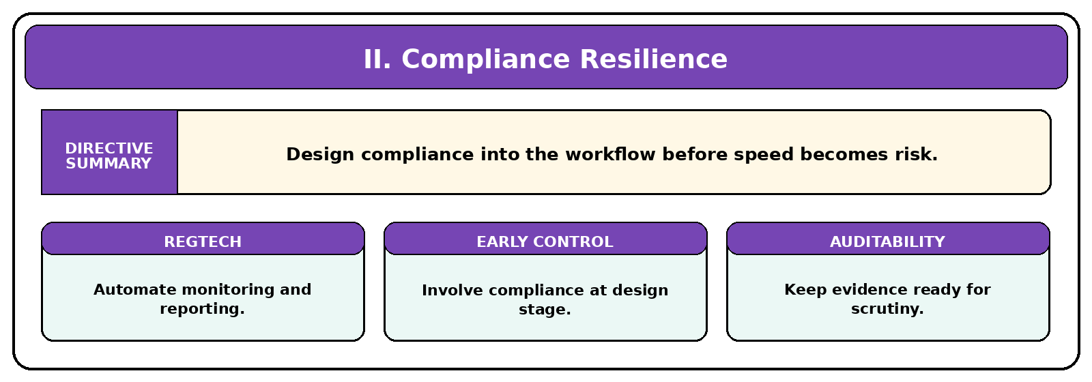
Directive summary: compliance must be designed into digital workflows before scale creates risk.
The second discipline is compliance resilience. Digital transformation operates in an environment where regulation is becoming more complex, more technical and more active. Compliance is no longer a department that reviews decisions after the business has moved. It must become part of the design of digital execution. This is particularly true for AI-enabled workflows, customer data, automated decisions, cybersecurity, financial reporting and sector-specific regulatory obligations.
The data point that 85 percent of respondents feel compliance requirements have become more complex over the last three years should not be read as a legal concern alone. It is a capital allocation concern. If regulatory complexity is not addressed early, digital programs can become expensive to redesign, slow to scale or risky to operate. The cost of late compliance is always higher than the cost of compliance-by-design.
This is why connected compliance deserves investment. Connected compliance means using technology to improve visibility, automate monitoring, maintain audit trails and identify issues earlier. It changes the role of compliance from a late-stage approval function to an operating capability that helps the business move faster with better control. When 82 percent of companies plan to invest more in compliance technology, the signal is clear: governance itself is becoming a digital capability.
The idea of the compliance pioneer is useful here. Mature organizations involve compliance teams at the concept stage, not after the product or workflow is nearly complete. They ask practical questions early: What data is being used? Who has access? What decision is automated? What evidence will prove that the system behaved correctly? What happens when an exception occurs? These questions reduce future rework and protect leadership credibility.
India's Digital Personal Data Protection Act, sectoral expectations from SEBI and RBI, the EU AI Act, NIST guidance and ISO/IEC 42001 all point toward a common direction. Enterprises must be able to demonstrate that digital systems are lawful, controlled, explainable and resilient. Therefore, compliance spending should not be treated as a cost that competes with transformation. It should be treated as the foundation that allows transformation to scale.
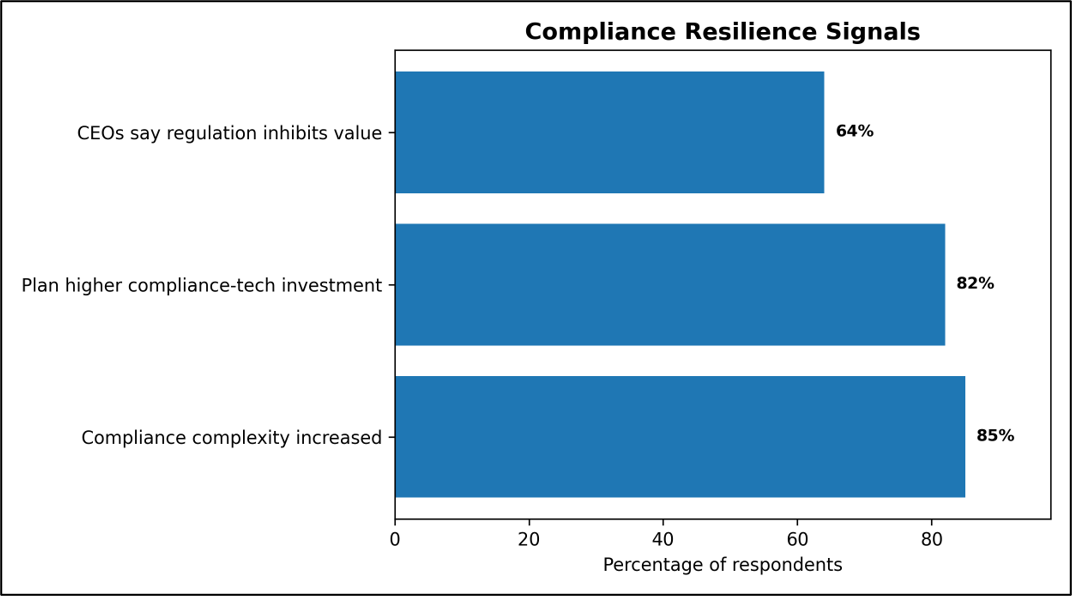
Graph 3: compliance complexity and technology investment are moving together.
Table 2: Integrated Capital Allocation Lens

III. Building Digital Trust: The Pillar of Long-Term Success
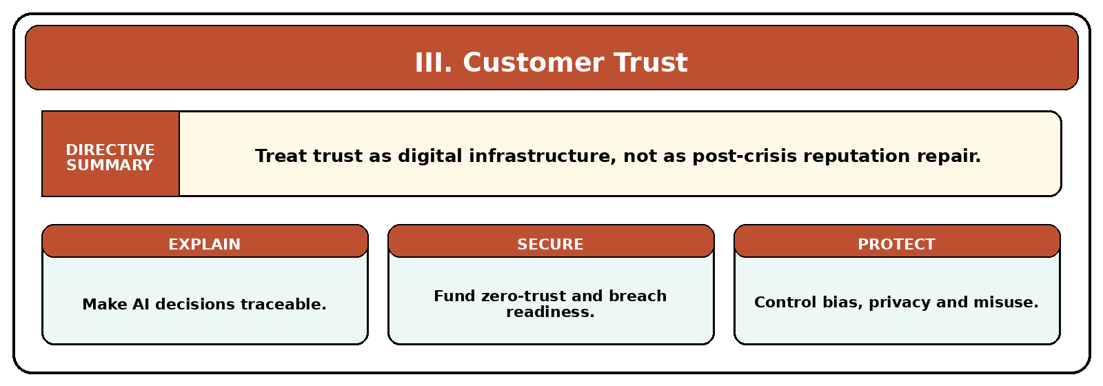
Directive summary: trust must be treated as a core part of digital infrastructure.
The third discipline is customer trust. Trust is sometimes treated as an intangible issue, but in the digital economy it has direct commercial value. Customers, regulators, employees and partners must believe that the organization uses data responsibly, secures systems properly and makes automated decisions in a fair and explainable manner. When that confidence breaks, the damage moves beyond public relations. It affects revenue, retention and stakeholder credibility.
The data breach example is the clearest proof. If 81 percent of consumers lose trust after a breach and 25 percent stop interacting with the brand, then cybersecurity is not just an IT safeguard. It is a capital protection mechanism. Investment in zero-trust architecture, network segmentation, real-time threat detection and incident readiness protects future business value. It also signals maturity to customers and regulators.
Explainability is equally important. AI systems may be technically strong, but if the organization cannot explain why a decision was made, the system becomes difficult to defend. In areas such as credit approval, hiring, customer risk scoring, fraud detection or resource allocation, a black-box decision can quickly become an audit, legal or reputational issue. The fact that explainability gaps delay or stop AI projects from reaching production shows that explainability is now a scale-gate.
Ethical AI adds another layer to the trust agenda. Bias, deepfakes, synthetic content, discriminatory outcomes and misuse of automated tools can damage confidence quickly. Organizations must therefore fund fairness testing, model documentation, human oversight and escalation paths. These are not decorative controls. They are part of the operating model required to maintain trust at scale.
In practical capital allocation terms, trust investments should be evaluated alongside ROI investments. A digital program that creates efficiency but increases trust risk is not truly efficient. It may simply be transferring cost from operations to future reputation, compliance or customer loss. Mature leaders understand this and fund digital trust before a crisis forces them to.
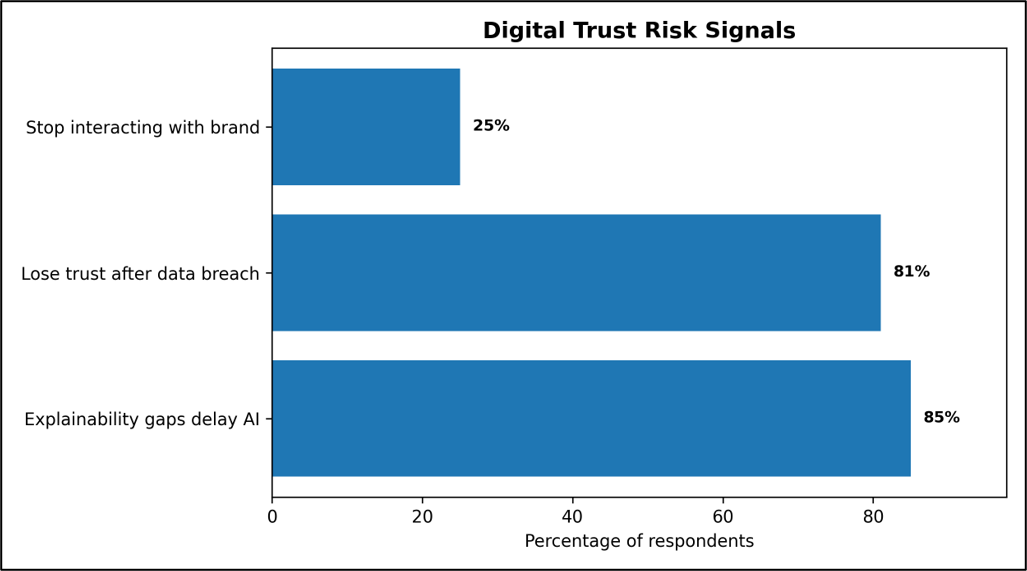
Graph 4: trust risk converts quickly into commercial and operational exposure.
IV. Board Oversight and Fiduciary Responsibility
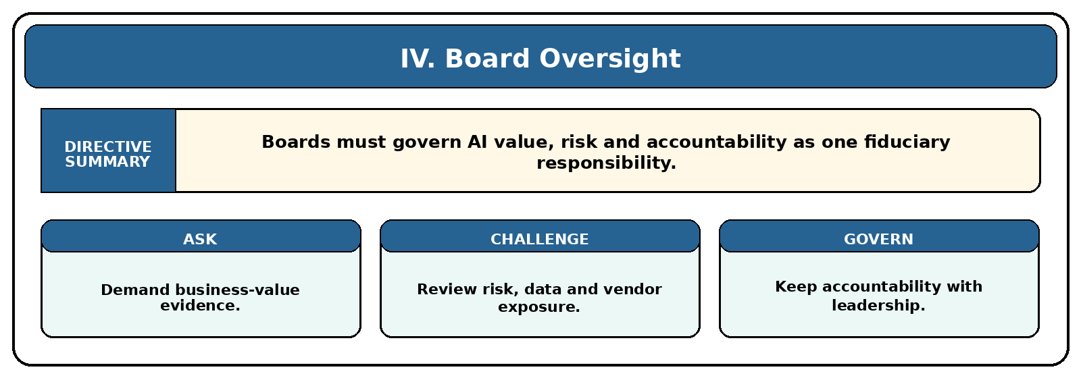
Directive summary: boards must govern digital value, risk and trust as one responsibility.
Digital transformation has raised the standard of board oversight. Boards cannot delegate fiduciary responsibility to algorithms, vendors or technology teams. Even when AI supports a decision, accountability remains with human leadership. This matters because digital systems are now influencing customer decisions, operating priorities, risk controls and financial performance.
Board members do not need to become data scientists, but they do need enough digital literacy to ask the right questions. The most important board questions are practical. What business problem is being solved? What baseline has been frozen? What ROI is expected? What risks are introduced? How will the model be monitored? What evidence will management present if regulators, auditors or customers challenge the decision? These questions shift oversight from passive approval to active governance.
The Indian governance conversation around AI also emphasizes principles such as trust, people-first design, fairness, accountability, understandability and resilience. These principles are useful because they connect technology decisions with human consequence. They remind boards that innovation without accountability can expose the organization to unseen risk.
From a capital allocation perspective, the board's role is to ensure balance. A board should not approve automation investment only because the technology is fashionable. It should ask whether the investment strengthens operational execution and preserves stakeholder confidence. It should also ensure that digital programs do not create vendor dependency, uncontrolled data movement or weak accountability.
The OECD approach to corporate governance reinforces this logic by emphasizing information, incentives and checks and balances. In the digital era, those checks must include data governance, cybersecurity reporting, model-risk review, vendor-risk visibility and compliance evidence. A digitally aware board becomes a strategic advantage because it supports innovation without allowing governance to fall behind.
Table 3: CIO Risk Exposure Metrics and Capital Allocation Response
V. Critical Challenges and Strategic Risks
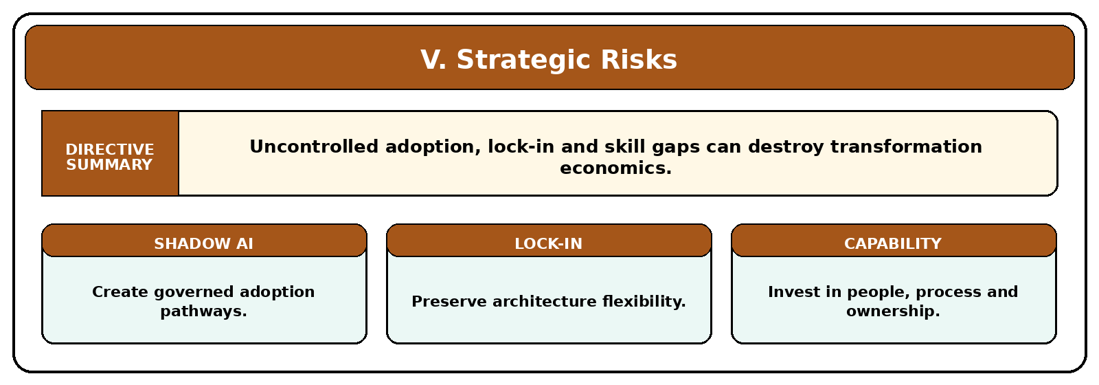
Directive summary: unmanaged adoption can destroy the economics of digital transformation.
Even strong digital programs can lose value if the organization does not manage structural risk. The first major risk is Shadow AI. Employees often adopt AI tools faster than the organization can govern them. At first, this may look like innovation. In reality, it can create data leakage, inconsistent outputs, security exposure and technical debt. Capital allocation must therefore fund safe adoption pathways, approved tools, training and monitoring rather than allowing uncontrolled experimentation to spread.
The second risk is vendor lock-in. AI and automation ecosystems are evolving quickly. A vendor or model that looks ideal today may become costly, restrictive or inadequate tomorrow. If the architecture is not modular, the organization may lose flexibility and negotiating strength. Vendor regret is already a meaningful signal in the market. Leaders should therefore invest in interoperability, portability and architecture governance before dependency becomes difficult to reverse.
The third risk is the capability gap. Technology can be purchased quickly, but capability must be developed. Employees need to understand how to use AI safely. Managers need to know how to interpret outputs, handle exceptions and escalate concerns. Second-line functions need new skills in model governance, data risk and digital controls. Without this investment, digital tools will operate ahead of organizational maturity.
These risks are connected. Shadow AI grows when people lack governed tools. Vendor lock-in worsens when architecture decisions are rushed. Capability gaps deepen when training is treated as an afterthought. The solution is to treat these risks as funding priorities rather than post-implementation problems.
In my experience of operational governance, performance improves when ownership, data visibility, escalation discipline and review rhythm are clear. The same principle applies to digital transformation. Technology must sit inside a governed operating rhythm. Otherwise, it creates activity without accountability.
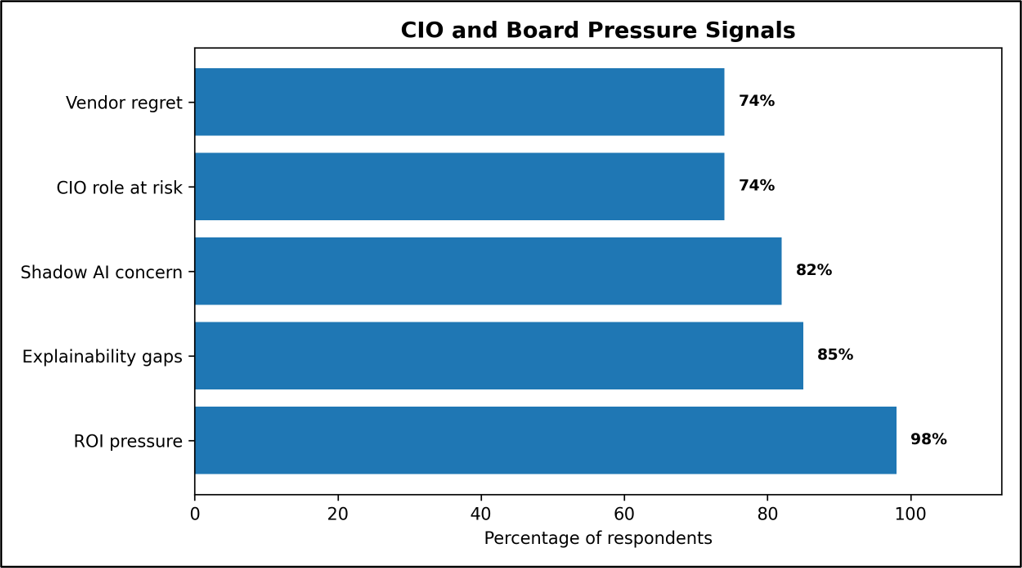
Graph 5: pressure signals show why digital-risk funding must accompany automation funding.
VI. An 8-Step Lifecycle for AI Governance
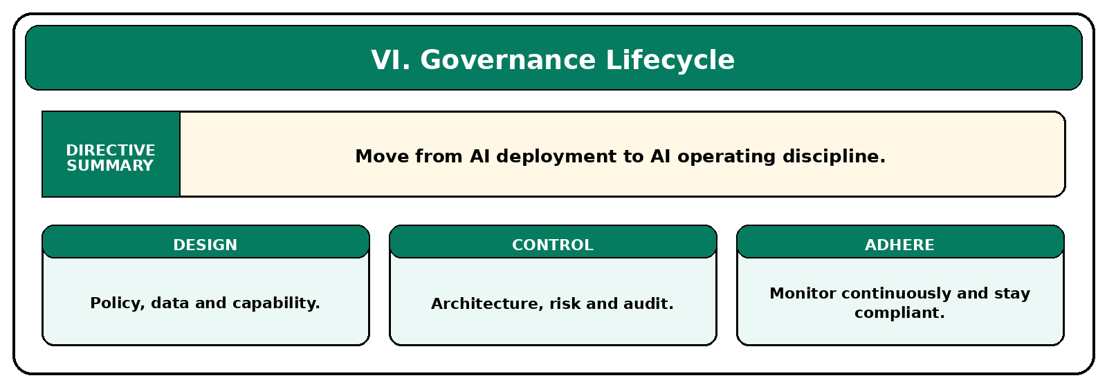
Directive summary: governance must run from design to deployment and adherence.
A practical way to manage digital capital responsibly is to apply an AI governance lifecycle. This lifecycle prevents organizations from over-investing in deployment while under-investing in the control environment that keeps deployment safe and useful. It also gives boards and management a common language for oversight.
The lifecycle begins with policy. Leadership must define where AI can be used, where it is restricted and who has approval authority. The second step is data governance. AI cannot be reliable if the data behind it is inaccurate, biased, poorly controlled or unclear in lineage. The third step is people and capability. Roles must be defined and teams must be trained to use, challenge and monitor the tools responsibly.
The fourth step is technology and architecture. This is where model choice, system integration, vendor flexibility and resilience are addressed. The fifth step is risk management. Organizations must identify potential failure modes such as hallucination, drift, bias, misuse and weak exception handling. The sixth step is independent audit, which provides assurance that the system can be tested and defended.
The seventh step is continuous monitoring. Digital systems change as data, users and operating conditions change. Monitoring must therefore continue after go-live. The eighth step is statutory compliance. The organization must remain aligned with applicable laws, sectoral expectations and international governance frameworks.
This lifecycle is valuable because it makes digital transformation operational. It shifts the conversation from launching tools to sustaining value. For me, this also aligns closely with a governance-led approach: analyze the baseline, act through structured interventions and adhere through a disciplined review rhythm.
Table 4: Eight-Step AI Governance Lifecycle

Conclusion: The Integrated Strategy
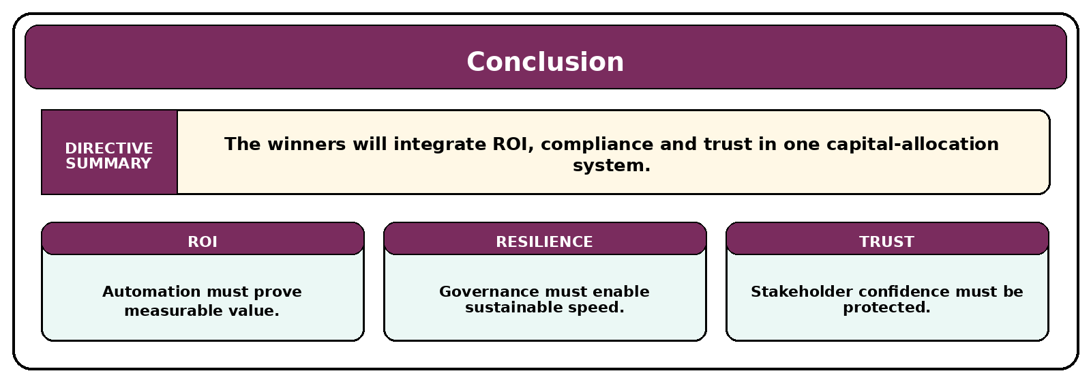
Directive summary: ROI, resilience and trust must be governed as one system
The central lesson is clear. Digital transformation cannot be governed through isolated investments. Automation ROI, compliance resilience and customer trust are not separate priorities. They are interdependent dimensions of one capital allocation system.
An organization that funds automation without governance may create short-term efficiency but long-term fragility. An organization that funds compliance without business relevance may create control but lose momentum. An organization that ignores customer trust may damage the very relationships that digital transformation was meant to strengthen.
The future belongs to organizations that integrate these priorities. They will allocate capital to AI and automation use cases where value is measurable. They will build compliance structures that allow innovation to move faster without losing control. They will treat explainability, cybersecurity and ethical AI as operating infrastructure. And they will ensure the board has the visibility required to govern all of this responsibly.
In 2026 and beyond, digital leadership will not be defined by who deploys the most tools. It will be defined by who allocates capital with the highest discipline. The winners will be the organizations that can prove value, demonstrate resilience and preserve trust at the same time.
About Author

Salman Ahmad Siddiqui is an Air Force veteran, Founder & CEO of SyhaConnect Innovations, Operational Excellence Strategist, governance-led transformation advisor and ILA-certified corporate trainer. He brings over 30 years of experience across telecom infrastructure, fiber, project management, field-force governance, DMS/IDP operations, SLA discipline, OPEX control, process governance, second-line leadership and board-ready operational intelligence. His signature Analyse - Act - Adhere methodology helps organizations convert operational complexity into measurable performance, accountability and sustainable governance.
Salman Ahmad Siddiqui
Founder & CEO, SyhaConnect Innovations
Email: hello@salmansiddiqui.in | connect@syhaconnect.in | syhaconnect@gmail.com
LinkedIn: https://www.linkedin.com/in/salmansiddiqui38442236/
Websites: www.salmansiddiqui.in | www.syhaconnect.in
Indicative Source Base
• Research data provided in the article brief, including Harris Poll / Dataiku signals on AI ROI pressure, explainability, audit expectations and Shadow AI.
• Automation ROI benchmarks provided in the article brief, including Peakflo-related cost, DSO, exception-handling and payback indicators.
• Governance framework references provided in the brief, including DPDP Act 2023, EU AI Act, NIST AI Risk Management Framework and ISO/IEC 42001:2023.
• Compliance, digital trust, cybersecurity and board governance themes extracted from the supplied research direction.