A risk oversight framework for document-heavy enterprises
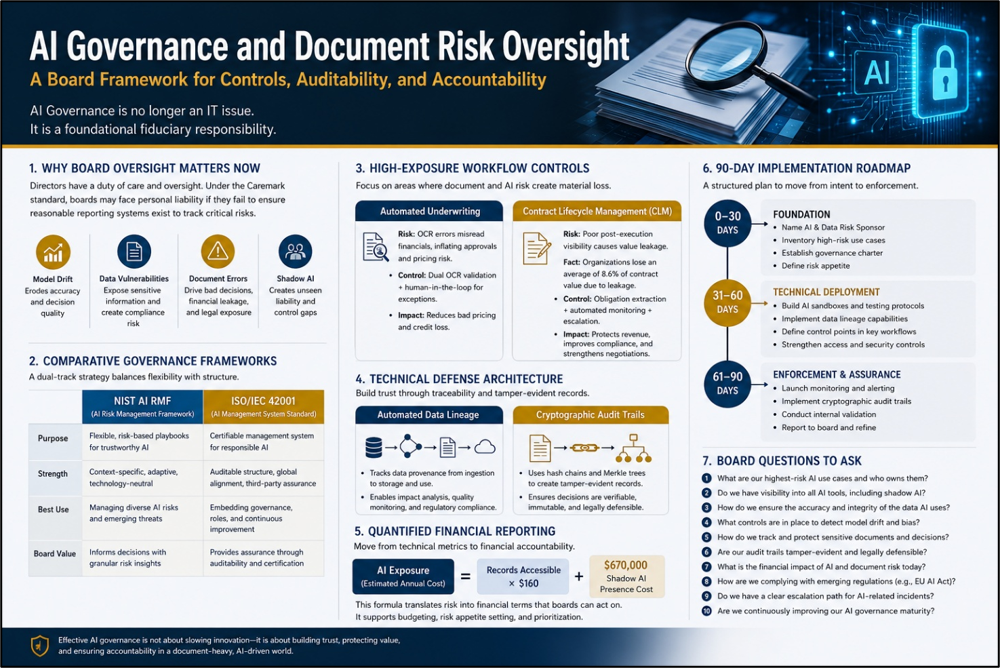
Artificial intelligence is no longer only an innovation agenda. In document-heavy enterprises, it is rapidly becoming a board-level risk agenda.
Banks, insurers, NBFCs, legal departments, healthcare administrators, government service providers, outsourcing firms, and large shared-service organisations all depend on documents. Their workflows run on loan files, contracts, invoices, customer records, policy documents, claim forms, KYC records, correspondence, compliance reports, and archived evidence. As AI enters these workflows, the organisation gains speed and scale. But it also inherits a new class of risk: decisions may now be influenced by systems that read, classify, extract, summarise, recommend, and sometimes act on documents without adequate human visibility.
That is why AI governance must move beyond the IT department. It is now a foundational fiduciary responsibility.
For boards, the central question is no longer whether AI can improve productivity. It clearly can. The more important question is whether the organisation can prove that its AI-enabled document workflows are controlled, auditable, explainable, and accountable.
In a document-heavy enterprise, a small extraction error can become a pricing error. A weak access control can become a data breach. A missing audit trail can become a litigation weakness. A poorly monitored model can slowly drift from acceptable performance to unacceptable risk. These are not theoretical concerns. They are governance issues that connect directly to financial loss, regulatory exposure, customer harm, and board accountability.
Under the Caremark standard in U.S. corporate governance, directors may face liability if they fail to ensure that reasonable information and reporting systems exist to monitor critical operational risks. In the AI era, risks such as model drift, data vulnerability, shadow AI usage, document misclassification, and untraceable decision records are becoming part of that oversight responsibility. Even where Caremark does not directly apply, its logic is increasingly relevant: boards must ensure that management has systems capable of identifying, escalating, and controlling mission-critical risks.
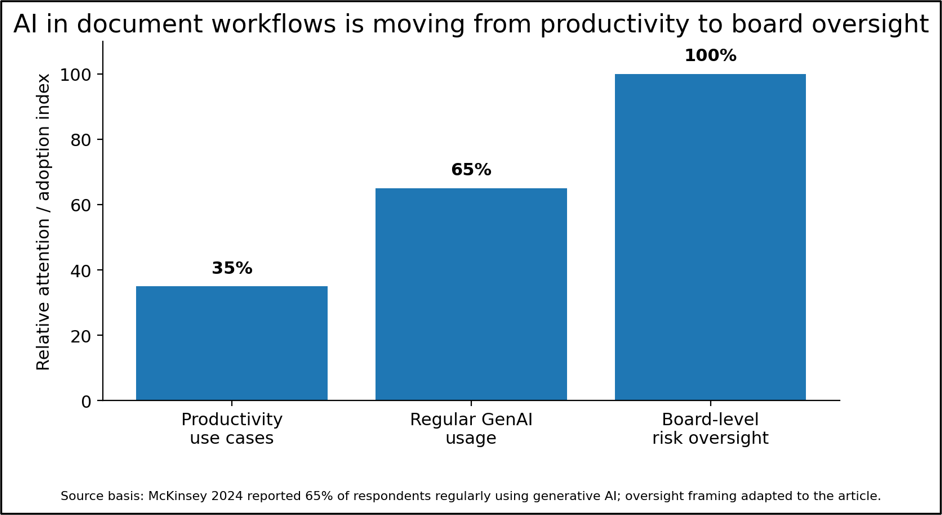
Figure 1. AI in document-heavy enterprises is moving from productivity enhancement to board-level risk oversight.
For document-heavy enterprises, this means AI oversight must be designed as a continuous control environment, not as a one-time compliance exercise.
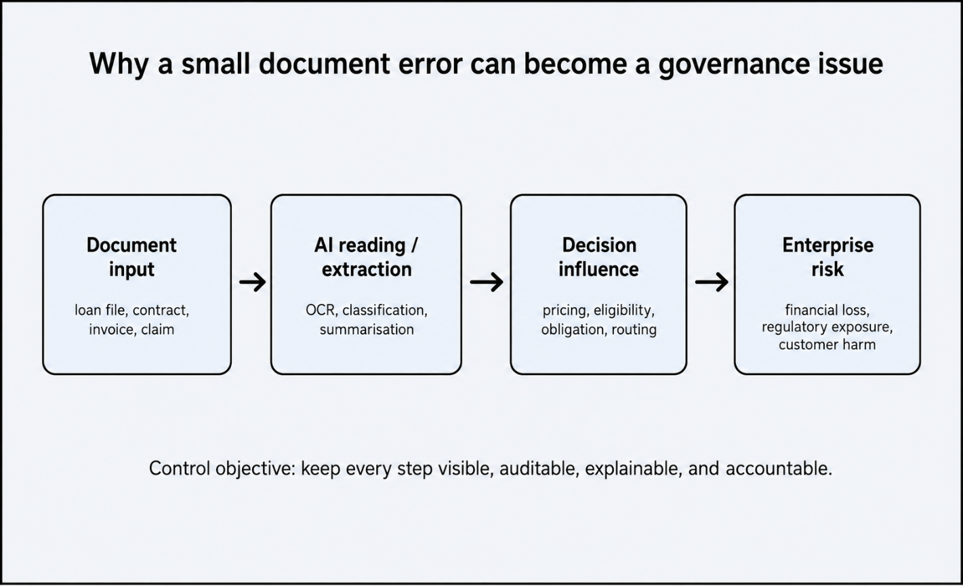
Figure 2. A document-processing error can cascade into financial, regulatory, customer and accountability risk.
1. From AI Experimentation to AI Risk Ownership
Many organisations begin AI adoption with productivity use cases: faster document review, automated summaries, intelligent search, OCR extraction, workflow routing, contract review, and customer service automation. These use cases often appear low-risk because they are operational in nature. However, when they influence credit, pricing, compliance, legal obligations, claims, customer eligibility, or contractual rights, they become material.
The first governance step is therefore ownership.
Every significant AI-enabled document process should have four named owners:
1. A business owner
2. A technology owner
3. A risk or compliance owner
4. And a data owner.
Without this structure, AI risk becomes nobody’s problem until something fails.
The board does not need to approve every model or workflow. But it should require management to maintain an AI and document-risk inventory. This inventory should identify where AI is being used, what documents are involved, what decisions are affected, what data is accessed, whether third-party tools are involved, and what controls are in place.
The absence of such an inventory is itself a red flag. An organisation cannot govern what it cannot see.
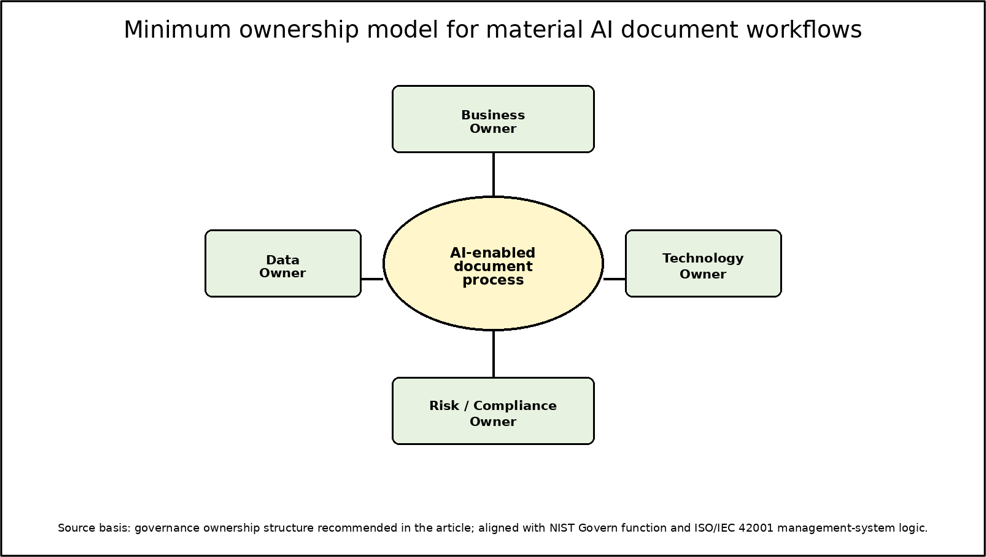
Figure 3. A four-owner model prevents AI risk from becoming an orphaned responsibility.
2. Comparative Governance Frameworks: NIST AI RMF and ISO/IEC 42001
A practical board framework should combine flexibility with structure. Two frameworks are especially useful for this purpose: the NIST AI Risk Management Framework and ISO/IEC 42001.
The NIST AI RMF is useful because it is flexible, technology-neutral, and risk-based. It helps organisations think through AI governance using functions such as govern, map, measure, and manage. For boards, this approach is helpful because it encourages management to understand the context of each AI use case before applying controls. A document-classification model used for internal filing does not carry the same risk as an AI system used for automated underwriting.
ISO/IEC 42001, on the other hand, provides a structured management-system approach. It is useful for organisations that want certifiable discipline around AI governance. It pushes the enterprise to define roles, policies, objectives, controls, monitoring, internal audits, and continual improvement.
The most effective strategy is not to choose one over the other. A dual-track approach works better.
NIST AI RMF can be used to build risk playbooks for specific AI use cases, while ISO/IEC 42001 can provide the management-system backbone. In simple terms, NIST helps the organisation think intelligently about AI risk, while ISO helps the organisation institutionalise accountability.
This matters because AI risk is not static. Models change. Data changes. Vendor tools change. Regulations change. Business use cases change. Governance must therefore be repeatable, not dependent on individual enthusiasm.
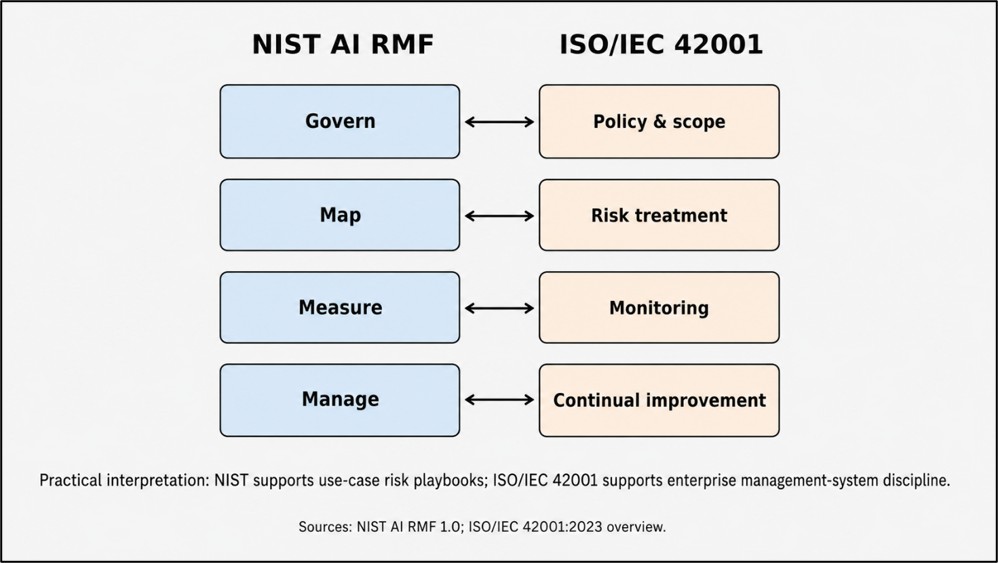
Figure 4. NIST AI RMF and ISO/IEC 42001 can work together as a dual-track governance model.
3. High-Exposure Workflow Controls
In document-heavy enterprises, the highest risk often appears in workflows where documents influence financial or legal outcomes.
Automated underwriting is one such area. AI and OCR can read income documents, bank statements, asset records, identity documents, policy papers, or collateral files. If the OCR misreads a number, misses a condition, or extracts a field incorrectly, the organisation may approve the wrong risk, misprice the product, or create unfair outcomes. A single error may appear small, but repeated across thousands of files, it can create material financial exposure.
The control design should include dual OCR validation for critical fields, confidence scoring, human review for low-confidence extractions, exception logs, and periodic sampling by risk teams. The organisation should also monitor whether error rates vary by document type, language, customer segment, or source channel.
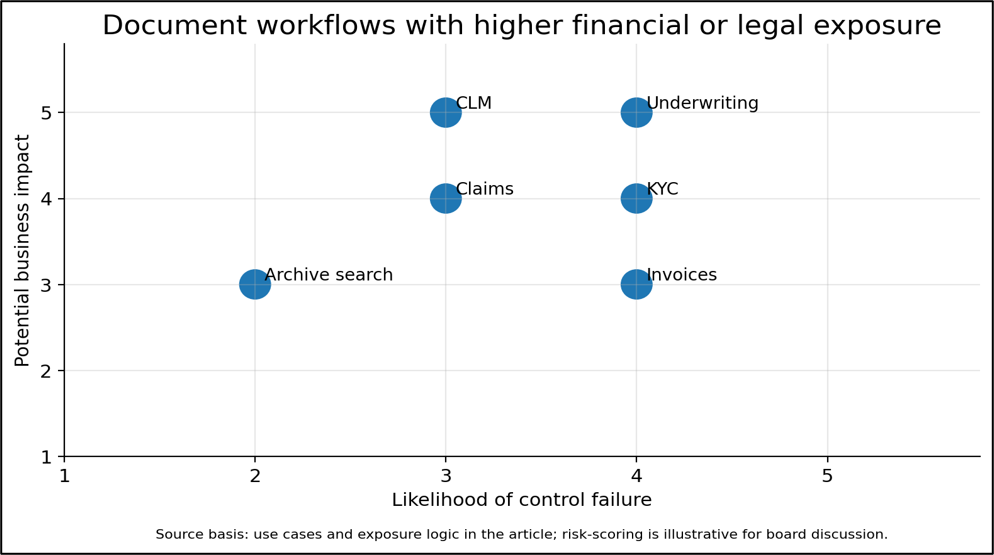
Figure 5. High-exposure document workflows should be ranked by business impact and likelihood of control failure.
Contract Lifecycle Management is another high-exposure area. Many companies focus heavily on pre-signature negotiation but lose value after execution. Obligations, renewal dates, pricing clauses, penalties, service levels, indemnities, and termination rights may remain buried inside documents. Research insights indicate that weak post-execution oversight can contribute to average value leakage of around 8.6%. Whether the precise number varies by industry or organisation, the governance point is clear: contracts lose value when obligations are not tracked.
AI can help extract obligations and monitor contract performance, but it must be governed. Contract AI should maintain source links to the original clause, identify confidence levels, trigger alerts for important dates, and preserve human approval for material interpretations. A board should not accept a CLM system that creates summaries without traceability back to the contract text.
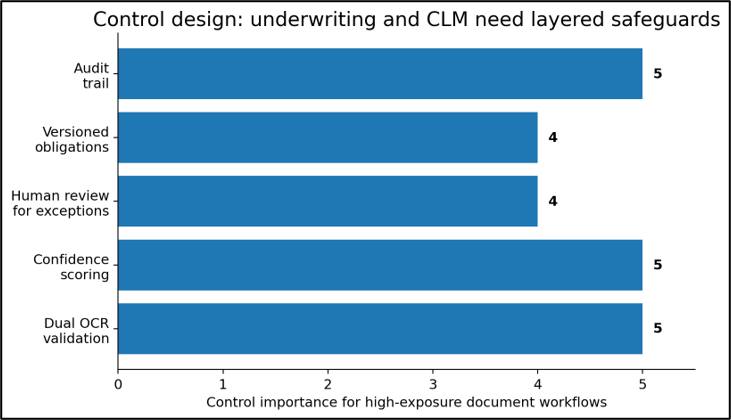
Figure 6. Layered controls strengthen underwriting, CLM and other high-exposure workflows.
4. Technical Defence Architecture: Lineage and Tamper-Evident Records
Board members do not need to understand every technical detail of AI architecture, but they should understand the control objectives.
Two technical controls are especially important:
1. Automated data lineage and
2. Cryptographic audit trails.
Automated data lineage means the organisation can trace a document or data element from ingestion through extraction, transformation, model processing, decision output, storage, and retrieval. This is critical for regulatory audits, customer complaints, model testing, and incident investigation. If a wrong decision was made, the organisation must be able to reconstruct what data was used, where it came from, how it was processed, and who approved the final action.
Cryptographic audit trails add another layer of defensibility. Using techniques such as hash chains and Merkle trees, organisations can make decision records tamper-evident. This does not prevent every failure, but it strengthens legal and audit confidence by showing that records have not been silently altered after the fact.
In document-heavy enterprises, this is particularly valuable. When decisions are challenged, the organisation must produce reliable evidence. A weak audit trail can turn a manageable operational issue into a serious legal problem.
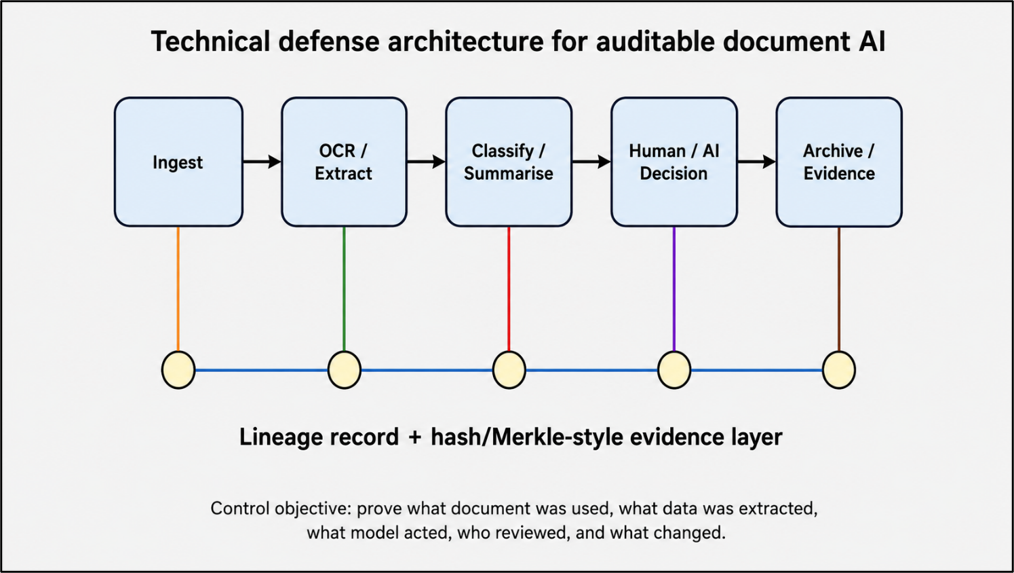
Figure 7. Data lineage and tamper-evident audit trails convert AI outputs into defensible evidence.
5. Quantified Financial Reporting for the Board
AI risk reporting often fails because it remains too technical. Boards are shown model counts, tool names, prompt policies, or system diagrams. These may be useful for management, but they are not enough for oversight.
Boards need financial translation.
One practical approach is to estimate AI exposure using a formula such as:
AI Exposure = Records Accessible × $160 + $670,000 for shadow AI presence
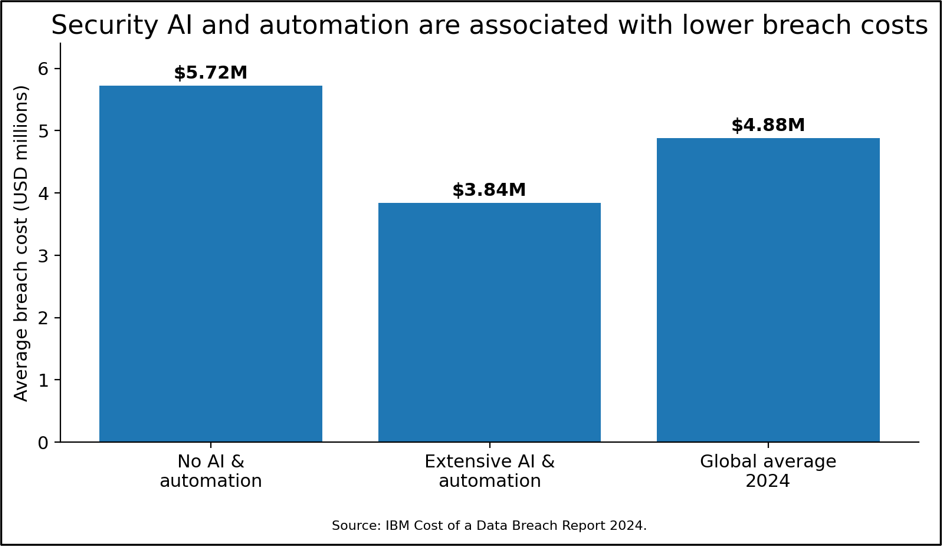
Figure 8. Breach-cost data shows why boards respond better to financial translation than to purely technical metrics.
This type of formula is not perfect, but it creates a useful discipline. It forces management to quantify the scale of accessible records, estimate the potential cost of exposure, and identify the financial penalty of uncontrolled AI usage. The specific assumptions can be adjusted by industry, geography, and risk appetite, but the principle is powerful: AI and document risk should be expressed in financial language.
This allows the board to compare AI risk with other enterprise risks such as cyber, fraud, compliance, operational resilience, and legal exposure.
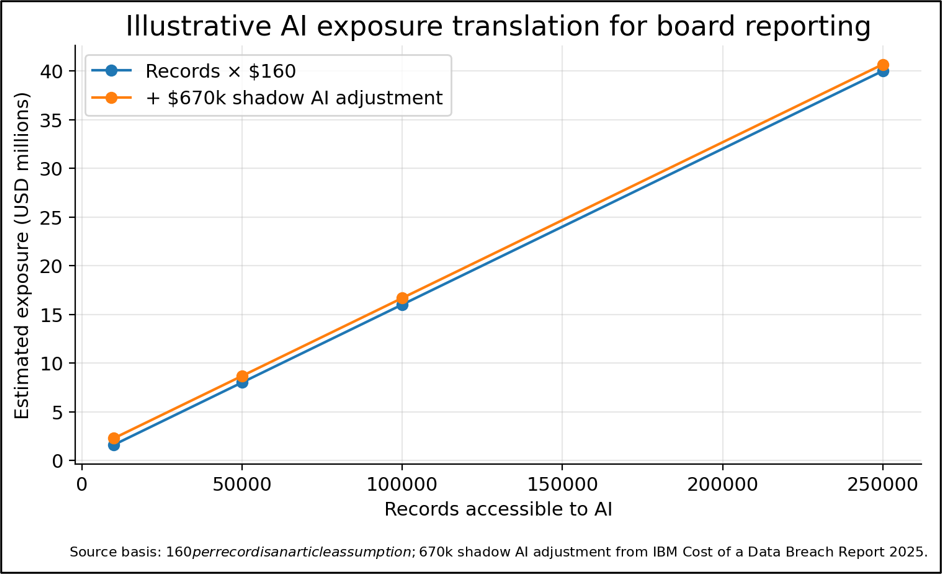
Figure 9. A simple exposure formula helps translate AI document risk into board-reportable financial terms.
6. A 90-Day Roadmap for AI and Document Risk Oversight
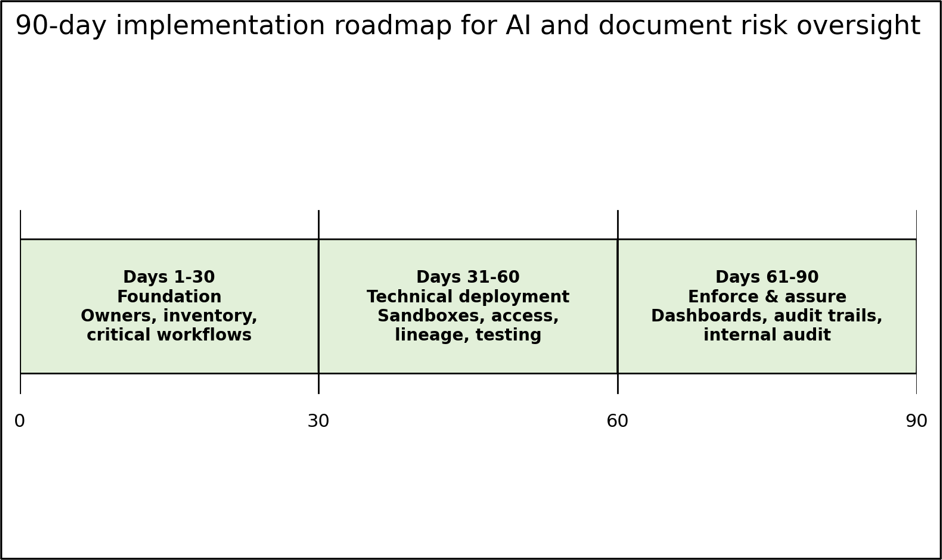
A practical board framework should begin with a 90-day implementation roadmap.
In the first 30 days, management should establish the foundation: name an executive sponsor, appoint AI and data risk owners, create an AI governance charter, identify high-risk document workflows, and begin an enterprise AI inventory.
Between days 31 and 60, the organisation should move into technical deployment: create secure AI sandboxes, restrict uncontrolled tool usage, implement data-lineage capabilities, define testing protocols, and establish control requirements for OCR, CLM, underwriting, and other high-exposure processes.
Between days 61 and 90, the organisation should enforce and assure: launch monitoring dashboards, implement cryptographic audit trails where needed, conduct internal validation, prepare a board-level risk report, and define quarterly audit routines.
The aim is not to stop innovation. The aim is to convert AI adoption from scattered experimentation into controlled enterprise capability.
Board Questions to Ask
- 01Do we have a complete inventory of AI tools and document-heavy workflows across the organisation?
- 02Which AI use cases affect financial, legal, regulatory, customer, or contractual outcomes?
- 03Who owns AI risk at the business, technology, compliance, and data levels?
- 04Can we trace document data from ingestion to decision and final storage?
- 05Are our audit trails tamper-evident and legally defensible?
- 06How are we detecting model drift, OCR errors, data leakage, and shadow AI usage?
- 07What controls exist for automated underwriting, CLM, and other high-exposure workflows?
- 08Are AI risks reported to the board in financial terms, not only technical terms?
- 09Have we aligned our governance model with NIST AI RMF and ISO/IEC 42001?
- 10What can internal audit independently verify today, and what remains outside assurance coverage?
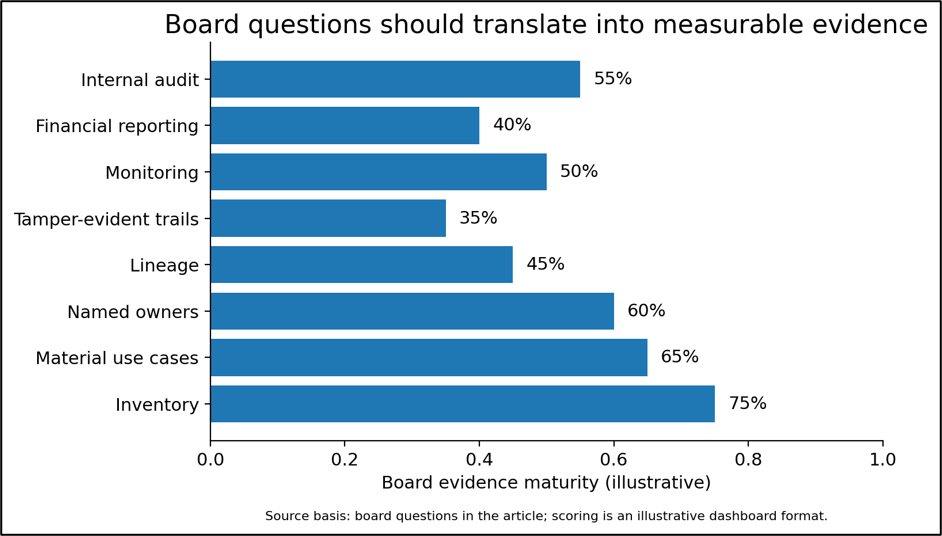
Figure 11. Board questions can be converted into a measurable AI-risk evidence dashboard.
Conclusion
AI governance in document-heavy enterprises is no longer a technology discussion alone. It is a matter of fiduciary oversight, operational resilience, financial protection, and stakeholder trust.
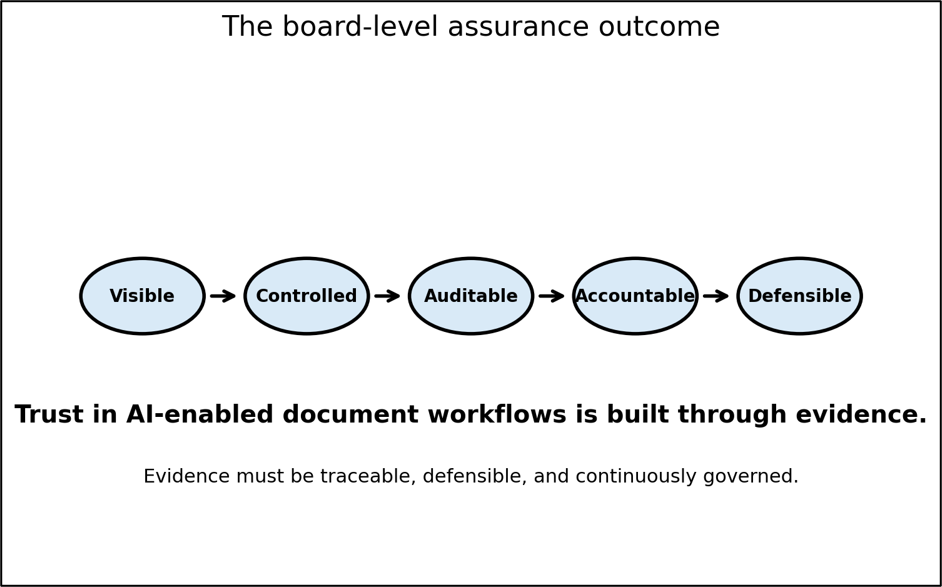
The board’s role is not to slow AI adoption. Its role is to ensure that AI adoption is visible, controlled, auditable, and accountable. The organisations that will lead in this next phase are not those that merely deploy AI fastest. They are the ones that can prove their AI systems are governed with discipline.
In a document-heavy enterprise, trust is built through evidence. And in the age of AI, evidence must be traceable, defensible, and board-visible.
Author Profile & Contact

Sources and references for supporting visuals and factual references
1. McKinsey & Company, “The state of AI in early 2024,” reporting that 65 percent of survey respondents said their organisations were regularly using generative AI. URL: https://www.mckinsey.com/capabilities/quantumblack/our-insights/the-state-of-ai-2024
2. NIST, “Artificial Intelligence Risk Management Framework (AI RMF 1.0),” describing the Govern, Map, Measure and Manage functions for AI risk management. URL: https://nvlpubs.nist.gov/nistpubs/ai/NIST.AI.100-1.pdf
3. NIST AI Resource Center, “AI RMF Playbook,” providing suggested actions aligned to the four AI RMF functions. URL: https://airc.nist.gov/airmf-resources/playbook/
4. ISO, “ISO/IEC 42001:2023 Artificial intelligence — Management system,” describing requirements for establishing, implementing, maintaining and continually improving an AI management system. URL: https://www.iso.org/standard/42001
5. IBM, “Cost of a Data Breach Report 2024,” reporting a global average breach cost of USD 4.88 million and breach-cost differences associated with AI and automation use. URL: https://www.ibm.com/think/insights/whats-new-2024-cost-of-a-data-breach-report
6. IBM / Ponemon Institute, “Cost of a Data Breach Report 2025,” reporting that high levels of shadow AI added about USD 670,000 to the average breach cost compared with low or no shadow AI. URL: https://www.ibm.com/reports/data-breach
7. U.S. Securities and Exchange Commission, “SEC Adopts Rules on Cybersecurity Risk Management, Strategy, Governance, and Incident Disclosure by Public Companies,” July 26, 2023. URL: https://www.sec.gov/newsroom/press-releases/2023-139
8. OECD, “AI Principles,” setting principles for trustworthy AI that respects human rights and democratic values. URL: https://www.oecd.org/en/topics/sub-issues/ai-principles.html
9. World Economic Forum, “Global Risks Report 2024,” identifying misinformation and disinformation among the leading short-term global risks, relevant to AI governance and oversight discussions. URL: https://www.weforum.org/publications/global-risks-report-2024/
10. Article-specific interpretations and diagrams were created to support the original LinkedIn article while preserving its script, paragraph sequence and argument.